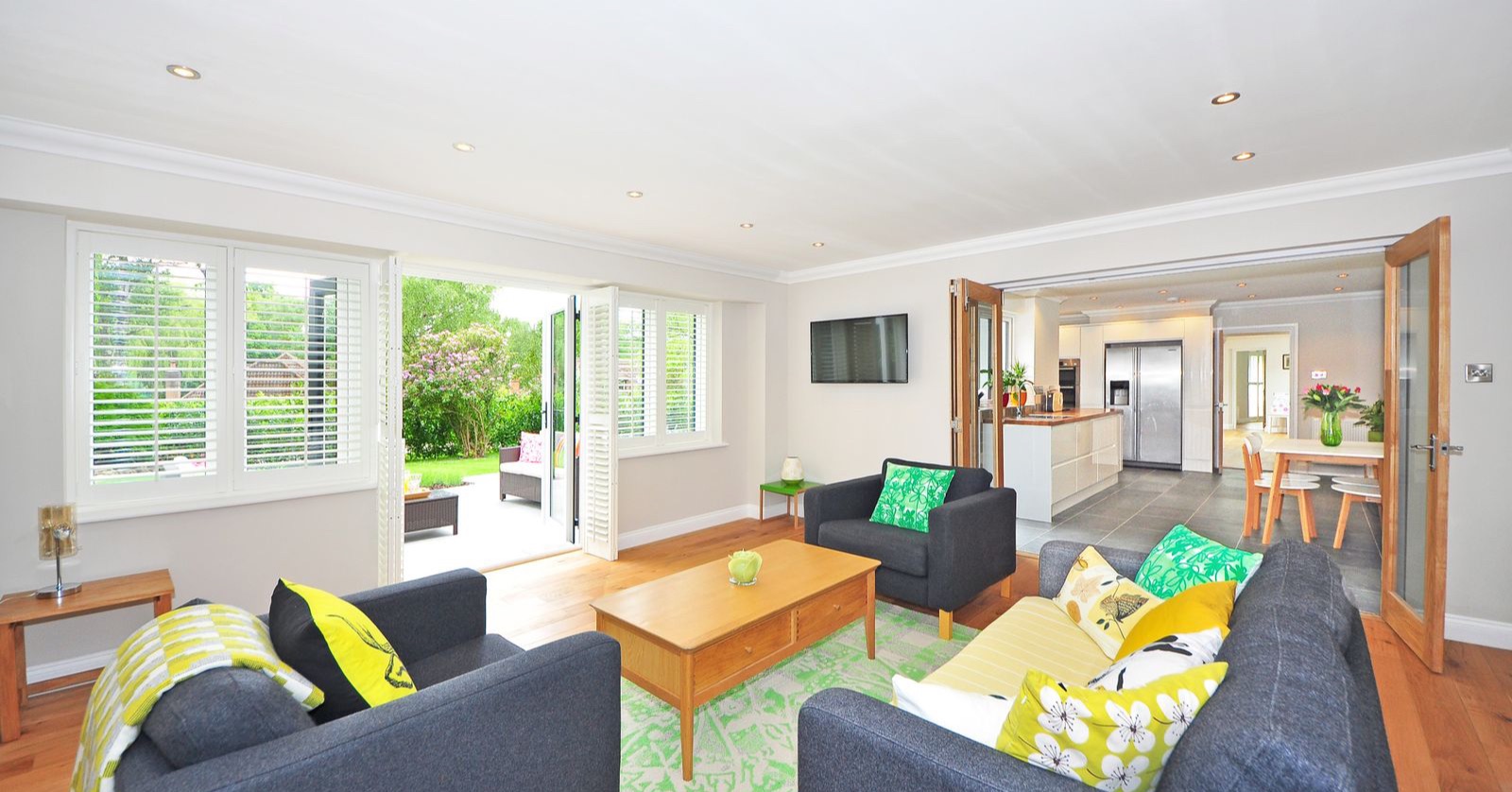
Hosting a successful open house is only the beginning. The real value comes from what happens after visitors leave. A full sign-in sheet may look encouraging, but names and phone numbers do not become clients on their own. Without a consistent follow-up process, even highly interested buyers can quickly move on to another property — or another agent.
The best open house follow-up strategies are timely, personalized, helpful, and persistent without becoming overwhelming. Agents should begin communicating immediately, continue the conversation the following day, and remain visible throughout the next week.
This playbook outlines exactly what to send, when to send it, and how OnSight LeadGen can help automate the entire process.
Why open house follow-up matters
Most open house visitors are not ready to write an offer before they walk out the door. Some are comparing properties. Others are early in their search — exploring neighborhoods, evaluating financing options, or trying to understand what they can afford.
That does not make them bad leads. It means they need the right information, delivered at the right time.
A strong follow-up process helps you:
- Identify serious buyers
- Answer questions while the property is still fresh in their minds
- Start conversations with visitors who may need representation
- Discover homeowners who are considering selling
- Build trust through useful, consistent communication
- Create opportunities even when the visitor is not interested in the featured property
The objective is not to pressure every visitor into making an offer. It is to become the professional they remember when they are ready to take the next step.
Immediately after the open house: confirm and deliver value
Your first follow-up should be sent as soon as possible after the visitor signs in or leaves the property — ideally while the home is still fresh in their mind.
The immediate follow-up should accomplish three things:
- Thank the visitor for attending.
- Provide the property information they requested.
- Create an easy way to continue the conversation.
A simple message could say:
Thank you for visiting today’s open house at 123 Main Street. I hope you enjoyed seeing the property. Here is the listing information and additional property details. Feel free to reply with any questions, or let me know if you would like to schedule a private showing.
This message should be helpful rather than aggressive. Avoid immediately asking whether they are ready to make an offer. Give the visitor space to process the property while making yourself available.
What to include
Depending on the visitor and the property, your immediate follow-up may include:
- A link to the full listing
- Property photos
- The asking price and major features
- A digital brochure or flyer
- Neighborhood information
- School or community resources
- Your contact information
- A link to schedule a private showing
The message should also use the visitor’s name whenever possible. Personalized communication feels more intentional than a generic group email.
Use both email and text strategically
Email is useful for sending detailed property information, photos, links, and attachments. Text messaging is better for brief, time-sensitive communication.
A simple text can reinforce the email without repeating everything:
Hi Sarah, this is Ryan from today’s open house at 123 Main Street. Thank you for stopping by. I just sent over the property details — let me know if you have any questions or would like another look at the home.
The text should identify who you are and reference the property. Visitors may have attended several open houses that weekend, so context is important.
Twenty-four hours later: start a real conversation
Your second follow-up should generally be sent within 24 hours. The immediate message delivers information; the 24-hour follow-up begins the relationship.
Instead of asking a vague question such as “What did you think?”, ask something specific and easy to answer:
After having some time to think about the property, what stood out to you most? Was there anything about the home or location that did not fit what you are looking for?
This type of question can reveal important buyer preferences, including:
- Desired price range
- Preferred neighborhood
- Number of bedrooms
- Home style
- School requirements
- Commute considerations
- Timing
- Financing status
- Need to sell an existing home
Even when the visitor is not interested in the open house property, their response may help you identify a better opportunity.
Segment your follow-up
Not every visitor should receive the same message. Visitors generally fall into a few broad categories.
Interested buyers
These visitors asked detailed questions, spent time exploring the property, or discussed scheduling another showing. Send them:
- An invitation for a private showing
- Comparable property information
- Offer-process guidance
- Relevant disclosures or documents
- A direct question about their interest level
Early-stage buyers
These visitors may still be learning the market or determining what they can afford. Send them:
- A buyer preparation guide
- Mortgage or preapproval information
- Neighborhood comparisons
- A list of similar homes
- An invitation to discuss their search criteria
Neighbors and potential sellers
Some open house visitors are nearby homeowners evaluating the market. Send them:
- Recent neighborhood activity
- Comparable sales
- A home valuation offer
- Information about current buyer demand
- An invitation to discuss their property
Visitors already working with an agent
Respect existing relationships. You can still provide information about the property while avoiding communication that interferes with their representation. Ask whether they would like the property details sent directly to them or to their agent.
Days two and three: provide relevant options
By the second or third day, move beyond the original open house. A buyer may like the neighborhood but dislike the floor plan. They may love the home but consider it too expensive. They may want similar properties with a larger backyard, an additional bedroom, or a shorter commute.
Use the information you collected to send two or three relevant listings. Avoid sending a large, unfiltered list of properties — a smaller group of carefully selected homes demonstrates that you listened.
Your message might say:
Based on what you mentioned at the open house, I found a few other properties that may be a better fit. These options have similar features but offer more space and remain close to your preferred area. Let me know which one stands out and I can arrange a showing.
This positions you as an advisor rather than someone simply trying to sell one listing.
Days four and five: address the next obstacle
If the visitor has not responded, the next follow-up should provide a different kind of value. Think about what may be preventing them from moving forward. Common obstacles include:
- Uncertainty about financing
- Confusion about the buying process
- Concern about monthly payments
- Difficulty comparing neighborhoods
- Fear of making the wrong decision
- Need to sell an existing home
- Lack of urgency
Send content that helps resolve one of those concerns — for example:
- A first-time homebuyer checklist
- A guide to preparing for preapproval
- A breakdown of the offer process
- A neighborhood market update
- A home-selling preparation guide
- An introduction to a trusted lender
- Information about upcoming properties
A useful message could say:
I know the home-buying process can involve a lot of moving pieces. I’m sharing a simple buyer checklist that explains the major steps from preapproval through closing. Let me know where you are in the process and I can help you identify the next step.
The focus remains on assistance, not pressure.
Days six and seven: use a clear call to action
Near the end of the first week, send a direct but low-pressure message. By this point, the visitor has received property information, a personalized check-in, and additional resources. Your final message for the week should make the next step easy.
Offer one specific action:
- Schedule a private showing
- Review similar listings
- Discuss financing
- Build a custom home search
- Receive a home valuation
- Have a brief buyer consultation
For example:
I wanted to check in one more time before the weekend. I’d be happy to create a custom property search based on what you’re looking for, so you only receive homes that closely match your needs. Would that be helpful?
This is more effective than repeatedly asking whether they are still interested.
A simple seven-day open house follow-up schedule
A practical follow-up sequence could look like this:
- Immediately after the visit — send a thank-you text and an email containing the property information.
- Within 24 hours — ask for feedback and learn more about the visitor’s needs, preferences, and timeline.
- Day two or three — send a small number of relevant properties or neighborhood resources.
- Day four or five — provide educational content that addresses financing, buying, selling, or another likely obstacle.
- Day six or seven — present one clear next step, such as scheduling a showing or creating a personalized property search.
After the first week, interested contacts can move into a longer-term nurture campaign containing new listings, market updates, educational resources, and occasional personal check-ins.
Common open house follow-up mistakes
Waiting too long
The longer you wait, the more likely the visitor is to forget the property, connect with another agent, or lose interest.
Sending the same message to everyone
A serious buyer should not receive the same follow-up as a curious neighbor or someone who is just beginning to explore the market.
Asking only about the featured property
A visitor who dislikes the open house may still be a valuable buyer lead. Learn what they want instead.
Following up without providing value
Messages such as “just checking in” do not give the recipient a reason to respond. Include a question, resource, property, or useful next step.
Giving up after one message
People are busy. A lack of response does not always mean a lack of interest. Consistent, respectful follow-up helps you remain visible until the timing is right.
Relying on paper sign-in sheets
Handwritten information can be incomplete, difficult to read, or entered incorrectly. Paper sheets also require agents to manually transfer information into other systems before following up — and that delay can cost valuable opportunities.
Automate open house follow-up with OnSight LeadGen
Managing every open house visitor manually can become difficult, especially when you are balancing showings, listings, client communication, and administrative work.
OnSight LeadGen helps agents capture visitor information digitally and begin following up without relying on handwritten sign-in sheets or disconnected spreadsheets.
Visitors enter their information through a branded digital form using a QR code or a device at the property. This gives agents cleaner, more organized contact information and creates a smoother sign-in experience for guests.
Once the visitor submits the form, OnSight can help initiate personalized email and SMS follow-ups using the information they provided. Instead of waiting until the end of the day to organize a paper sign-in sheet, agents can begin communicating while the visitor still remembers the property.
With OnSight LeadGen, agents can:
- Capture accurate visitor information
- Create branded open house sign-in experiences
- Use QR codes for fast, convenient registration
- Automatically send email and SMS follow-ups
- Personalize messages with visitor and property information
- Keep open house leads organized
- Share leads with connected team members or partners
- Maintain a more consistent follow-up process
Automation does not replace the agent. It handles the repetitive first steps so the agent can focus on meaningful conversations, private showings, client relationships, and transactions.
Turn more open house visitors into real opportunities
The most effective open house agents do more than host a property for a few hours. They create a complete experience that continues after each visitor leaves. The formula is straightforward:
- Respond immediately.
- Personalize the conversation.
- Provide useful information.
- Stay consistent.
- Make the next step easy.
With a structured follow-up playbook and the right technology, every open house can become a reliable source of buyer leads, seller opportunities, professional relationships, and future business.
OnSight LeadGen gives agents the tools to capture visitor information and automate personalized follow-up through email and SMS — helping ensure that valuable opportunities do not get lost after the open house ends.